
Concussion
- Home
- Concussion
Specialist Concussion Rehabilitation
Rope Neuro Rehabilitation provides specialist assessment and rehabilitation for people following a concussion. Our experienced multidisciplinary team can support people experiencing ongoing symptoms including dizziness and balance problems, headaches and neck symptoms, fatigue, reduced exercise tolerance, and difficulties returning to work, study or sport.
We are an ACC Concussion Service provider and currently have no waitlist, allowing people to access specialist rehabilitation promptly.
How we can help:
Concussion can affect people in different ways, so rehabilitation is tailored to the individual and their goals. Depending on your symptoms and needs, our team can support you with:
- Dizziness, vertigo and balance problems
- Headaches and neck-related symptoms
- Fatigue and energy management
- Exercise tolerance and graded return to activity
- Visual and vestibular symptoms
- Return to work or study
- Return to sport and recreation
- Education and strategies to support recovery
Where needed, we work alongside other health professionals involved in your care to support a coordinated approach to recovery.
How to access our ACC Concussion Service:
Already have an ACC concussion referral?
- Your GP or health professional can refer you to Rope Neuro Rehabilitation using an ACC883 Concussion Service referral.
Have concussion symptoms but aren’t sure what you need?
- Contact our team. We can talk you through the options, explain the ACC referral process and help you understand the most appropriate
next step.
Click here for more info on:
- Brain Injury Association
- ACC Traumatic Brain Injury (TBI) Strategy
What is a concussion?
Concussion is often poorly understood and managed. The outcome of repeated or poorly managed concussions/traumatic head injury can be serious and long term. This is particularly true for children and adolescents who may return to sport too early following a concussion, and who may suffer long term physical and learning consequences as a result.
Concussion results in a variety of non- specific symptoms and often does not involve a loss of consciousness.
Statistics:
- Approx 35,000 cases of concussion each year in NZ (Feigin V et al 2013).
- 21% (7,350 injuries per year) of all head injuries in New Zealand are sustained through sport related activity. ACC only receive claims for 6,250 of those sports related concussion injuries, suggesting that over 1000 currently go untreated (Theadom A et al, 2014).
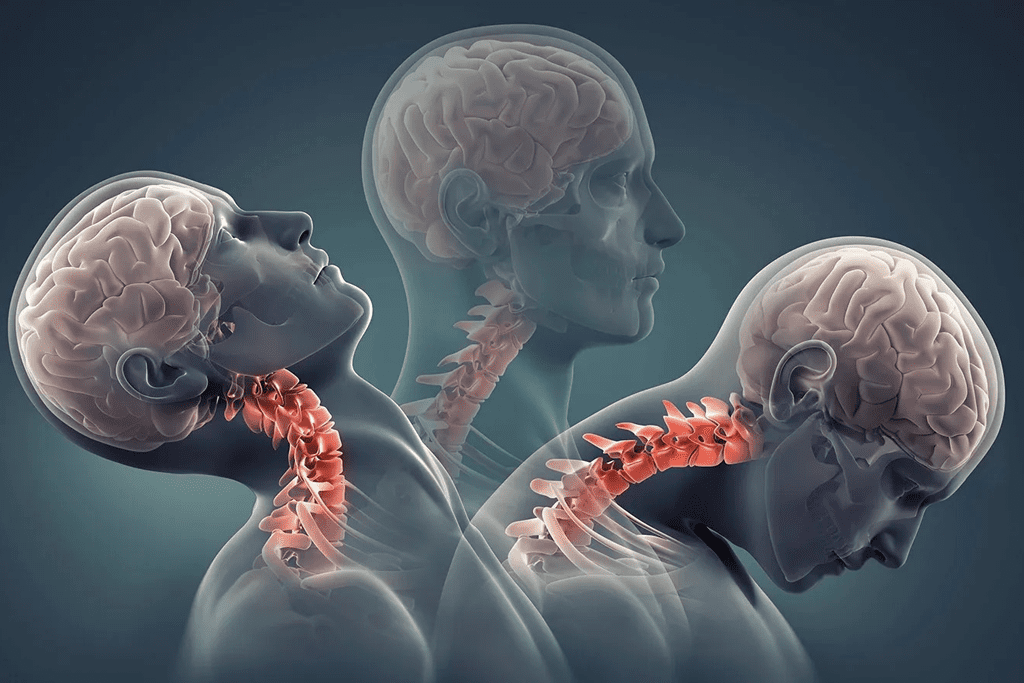

Symptoms include:
- Physical problems – pain, headaches, sensitivity, speech, swallow sensory, dizziness, unsteadiness
- Cognitive problems – confusion, attention, memory, problem solving and processing, language, impaired insight
- Fatigue
- Emotional and behavioural problems including anxiety, demotivation, agitation impulsivity
- Difficulty with social interaction and family relationships
Recovery:
Recovery requires physical and “cognitive” (activities requiring brain concentration and attention) rest. This may mean some days off school or work and refraining from activities such as sport as well as screen-based activities for the first few days.
In most people (80-90%), symptoms resolve within 1-14 days. Some might have ongoing symptoms for up to 3 months, and in about 10% of people these symptoms persist for more than 6 months. This is known as Post-Concussion Syndrome (PCS).
Concussions that do not resolve within the expected time frames may require specialised medical testing and retesting to determine recovery and return to activity timeframes. It is important to realise that previous concussion may prolong your recovery and make you more vulnerable to re-injury if you sustain further head trauma.
The team at Rope Neuro Rehabilitation all have experience with assessment and treatment of the symptoms associated with concussion. We are able to assess and provide individualised intervention based on your physical and cognitive presentation in the setting that suits you best.

